Introduction
Rice cookers have become increasingly popular in modern kitchens, and for good reason. They simplify meal preparation, deliver consistent results, and free up attention for other cooking tasks. Among the various options available, the Cuisinart CRC-400P1 4-cup rice cooker with stainless steel exterior represents a particular approach to this kitchen appliance—one that emphasizes straightforward functionality combined with a durable, aesthetically neutral design.
This article explores what this rice cooker offers, how it operates, and the various contexts in which it might fit into someone’s cooking routine. Rather than focusing on marketing claims or subjective quality assessments, we’ll examine the practical aspects of rice cooking as a culinary task and how different features address real-world cooking needs.
What Is a Rice Cooker and Why Do People Use Them?
Before diving into the specifics of this particular model, it’s worth understanding the broader context. Rice cookers are electrical appliances designed to cook rice by automatically regulating heat and moisture. The basic principle involves boiling water with rice until the liquid is absorbed, then maintaining a warm temperature to keep the rice at an ideal serving state.
The appeal of rice cookers extends beyond automation. They offer several practical advantages: they reduce the attention required during cooking, minimize the risk of scorched or unevenly cooked rice, maintain cooked rice at serving temperature, and allow for consistent results across different cooking attempts. For people who prepare rice regularly, these characteristics can meaningfully simplify weekday meal preparation.
Rice cookers also take up minimal counter space compared to traditional cookware, and many people find them more intuitive than monitoring a pot on the stovetop. The hands-off nature of operation means someone can attend to other meal components while rice cooks unattended.
Understanding the Cuisinart CRC-400P1: Core Design and Specifications
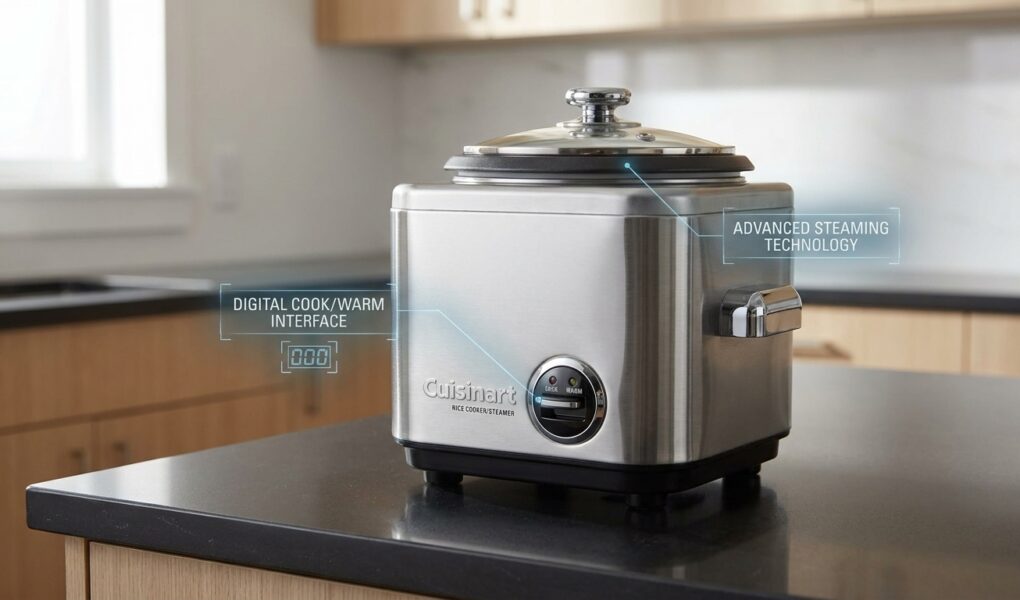
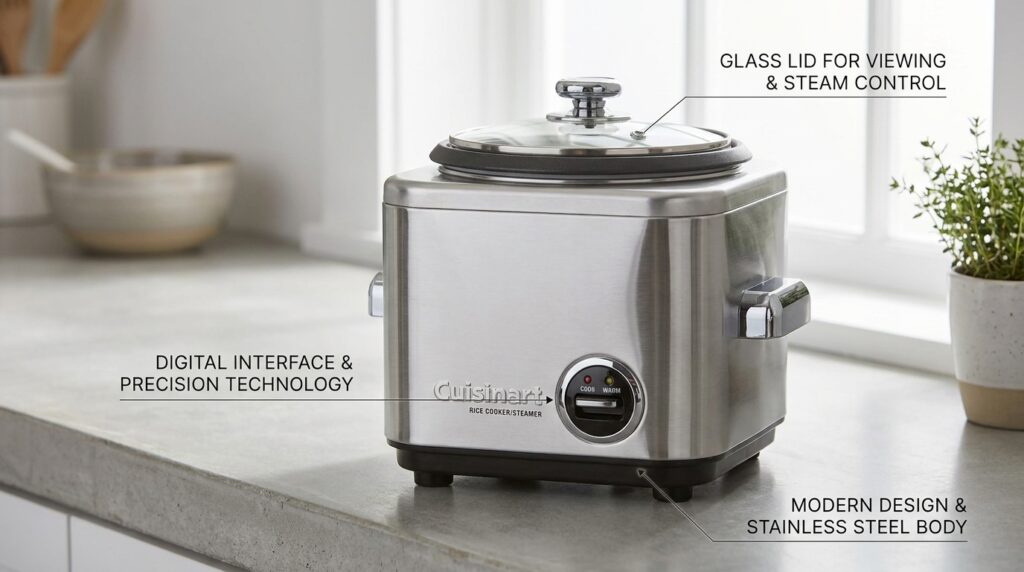
The Cuisinart CRC-400P1 presents a compact footprint designed to accommodate four cups of cooked rice—enough for roughly four servings depending on portion size and appetite. The stainless steel exterior distinguishes it visually from many competing models that use primarily plastic construction.
The design philosophy appears centered on durability and ease of maintenance. Stainless steel offers resistance to rust and corrosion, requires minimal special cleaning, and doesn’t retain stains or odors the way some plastics do. From a visual standpoint, stainless steel finishes complement most kitchen aesthetics without drawing particular attention.
The footprint of the CRC-400P1 is intended to fit comfortably on standard countertops without requiring excessive space. For apartment dwellers, people with limited kitchen real estate, or anyone who prefers to minimize kitchen equipment, this size consideration matters practically.
Key Features and How They Function
The Basic Operating Mechanism
The CRC-400P1 operates on a straightforward principle common to most rice cookers. Users add uncooked rice and water in appropriate proportions, set the cooker to run, and the appliance handles the heat and timing automatically. Once the water is absorbed, the cooker typically transitions to a keep-warm mode, maintaining the rice at a serving temperature without continuing to apply active heat.
This automatic transition happens through thermal sensing. As water absorbs into the rice, the temperature inside the cooker rises. When it reaches a certain point—indicating that water absorption is essentially complete—the heating element reduces intensity or cycles more frequently, entering the warm-holding phase.
The Cooking Bowl
The inner pot of the CRC-400P1 represents a key component. This is where the actual cooking happens, and its material and design affect heat distribution and food preparation. The cooking vessel needs to heat evenly to avoid hot spots where rice burns while other portions remain undercooked.
Different materials conduct and distribute heat differently. Some rice cooker pots feature non-stick coatings, while others use standard metallic surfaces. Each approach involves tradeoffs regarding durability, ease of cleaning, and longevity. Users should understand their preferences regarding cleanup and care when considering what cooking surface they’ll interact with regularly.
Control Interface and Settings
The CRC-400P1 utilizes basic controls designed for straightforward operation. Rather than featuring extensive programmable options, it focuses on essential functions: a power/cook switch and, typically, a warm or off switch once cooking concludes. This simplicity appeals to people who want minimal learning curve and prefer direct functionality over elaborate features.
Some rice cooker models include features like delayed-start timers, multiple cooking modes for different rice varieties, steaming options, or programmable scheduling. The CRC-400P1’s approach emphasizes accessibility and reliability in core functionality rather than expansive feature sets. This design choice reflects a particular user profile: people who want a dependable machine for consistent rice cooking without navigating complex programming.
The Exterior and Heat Management
The stainless steel construction serves practical purposes beyond aesthetics. It remains cooler to the touch than some plastic housings, reducing burn risk in kitchen environments. Stainless steel doesn’t absorb heat the way dark plastics might, contributing to safety and comfort during operation.
Heat also needs to escape from the cooker to prevent internal temperatures from becoming problematic. The CRC-400P1’s design includes appropriate ventilation to allow steam to release properly and prevent pressure buildup or equipment damage.
The Rice Cooking Process: What Happens Inside
Understanding how rice cooks helps explain why certain features matter. When raw rice and water combine and heat, several processes occur simultaneously. Water penetrates the rice grains, causing them to swell. Heat transforms the starch structure, changing texture from hard to tender. The duration of cooking and the water-to-rice ratio directly determine the outcome.
The ideal ratio is typically one part rice to approximately 1.5 to 2 parts water, depending on rice variety and personal texture preference. Different rice types—long-grain, medium-grain, short-grain, brown rice, basmati, jasmine—all have distinct characteristics affecting cooking time and water absorption. A rice cooker’s effectiveness partially depends on how well it accommodates this variability.
The CRC-400P1’s basic functionality means users are responsible for adjusting water quantities according to their chosen rice type. This represents both flexibility and a requirement for some user knowledge or reference materials. Someone cooking rice regularly develops intuition about proper ratios, but beginners may need to reference guides initially.
Practical Applications and Usage Scenarios
Daily Meal Preparation
Many households prepare rice several times weekly as a staple component of various dishes. For families, rice cookers simplify this routine, allowing rice to cook while other meal components receive attention. The consistency of results means less variability week to week, which can be valuable for meal planning and nutrition tracking.
The four-cup capacity of the CRC-400P1 accommodates small to medium household sizes well. A family of three or four can prepare single-meal portions, while larger households might find two uses per meal necessary. For meal preppers who cook rice in batches, running the cooker once or twice might establish several meals’ worth of rice component.
Cooking Different Rice Varieties
White rice typically cooks faster than brown rice, requiring less water and shorter cooking times. The CRC-400P1 can accommodate both through manual water adjustment, though users need to understand the distinct requirements. Brown rice, with its bran layer intact, needs more water and longer cooking time to reach tenderness.
Specialty varieties like basmati, jasmine, or arborio rice each have particular cooking characteristics. Some people prefer these varieties for specific dishes or flavor profiles. A basic rice cooker’s flexibility to handle different types through water and timing adjustment is valuable for adventurous or diverse eaters.
Creating Simple One-Pot Meals
While rice cookers primarily cook rice, some models accommodate additional ingredients for flavor-infused rice or simple one-pot combinations. Users can add broth instead of water for flavored rice, or incorporate vegetables and proteins if the cooker design permits it safely. The CRC-400P1’s straightforward design works well for flavored water-based rice preparations, allowing someone to create seasoned rice directly in the cooker.
Meal Prep Efficiency
People who prepare meals in advance find rice cookers particularly useful for batch cooking. Preparing several cups of rice once or twice weekly, then portioning for multiple meals, reduces daily cooking time significantly. The make-ahead convenience aligns well with busy schedules or anyone aiming to reduce weeknight kitchen effort.
Who Might Find This Rice Cooker Suitable
Regular Rice Consumers
Anyone who cooks rice more than occasionally finds a dedicated appliance valuable. The time savings and consistency benefits accumulate over time. People who prepare Asian cuisine, Mediterranean rice dishes, Spanish paella foundations, Latin rice-and-bean combinations, or Middle Eastern grain bowls regularly encounter situations where a rice cooker’s automation simplifies their routine.
Space-Conscious Kitchens
Apartment dwellers, people with galley kitchens, or anyone prioritizing counter space efficiency benefit from compact cooking equipment. The CRC-400P1’s modest footprint means someone can maintain a rice cooker without sacrificing significant usable space. This matters more in smaller living situations where every appliance choice involves tradeoffs.
Cooking Beginners and Confidence-Builders
Learning to cook rice on the stovetop requires attention and practice. Timing needs to be precise, water ratios must be correct, and monitoring prevents disasters. Rice cookers eliminate much of this learning curve. For people building culinary confidence or just beginning to cook independently, an automatic rice cooker removes a potential source of frustration and failure. As confidence grows, they can graduate to stovetop cooking if desired, or simply continue using the cooker for reliable results.
Budget-Conscious Households
Rice represents an affordable staple food across many cuisines. Households prioritizing nutritious, economical meals often prepare rice frequently. A reliable rice cooker becomes a worthwhile investment for people building affordable meal foundations, as it maximizes consistency and reduces waste from failed cooking attempts.
Individuals Managing Health Conditions
Some people monitor carbohydrate consumption or manage diabetes and benefit from consistent, measured portions. A rice cooker produces predictable portions, aiding meal planning and nutritional tracking. The automatic functionality also accommodates people with mobility limitations who might find stovetop cooking difficult or unsafe.
Households with Variable Schedules
In homes where people eat at different times, the keep-warm function of a rice cooker maintains rice at serving temperature for extended periods. This flexibility accommodates staggered meal schedules, allowing people to serve rice hours after initial cooking without quality degradation.
Important Considerations Before Using a Rice Cooker
Water-to-Rice Ratios and Variability
Rice cooking success depends partly on getting water proportions correct. The CRC-400P1, as a basic model, requires users to manage this themselves. Different rice varieties need different water amounts—brown rice requires more than white rice; basmati differs from arborio. Users need to consult guides or develop experience-based intuition.
This differs from more complex cookers with multiple settings for different rice types. The tradeoff is that simpler design means fewer potential failure points, but it also requires more user responsibility for successful outcomes.
Cleanup and Maintenance
The cooking pot requires washing after each use. Depending on cooked rice’s starch content and how long it sits, buildup may require soaking before washing. The stainless steel exterior benefits from occasional wiping but doesn’t require special maintenance. Understanding basic care routines prevents premature deterioration.
The cooking vessel design affects ease of cleaning. Some bowls are easier to scrub than others depending on surface coating and access points. Regular users should consider whether cleanup takes more or less time than their current method.
Initial Learning Period
While rice cookers are intuitive, the first few uses might involve trial and error. Users adjust water amounts, observe cooking times, and refine their technique. This initial period is typically short—most people establish reliable approaches within a handful of uses—but it’s worth expecting.
Storage and Placement
Where someone positions their rice cooker matters. It needs access to an electrical outlet and shouldn’t be placed under cabinets where steam might cause damage. Proximity to water sources can be convenient for rinsing rice and filling the water reservoir, though not essential.
Capacity Considerations
The four-cup capacity (cooked rice) might not suit everyone. Larger households cooking single-batch meals might need to run the cooker twice. Conversely, people cooking solo might find the capacity larger than needed, leading to leftover rice that requires storage. Anticipated cooking patterns should align with capacity expectations.
Rice Cookers and General Rice Cooking Alternatives: Comparing Approaches
Rice Cooker Versus Stovetop Cooking
Cooking rice on a stovetop offers complete control and requires no special equipment. It demands active attention and timing knowledge but produces identical end results in similar timeframes. People who enjoy direct control or have limited storage space might prefer this traditional method.
Rice cookers offer automation and consistency but require dedicated counter or storage space and electrical access. For people cooking rice multiple times weekly, the convenience accumulates. Someone cooking rice once monthly might not benefit as much from equipment investment.
Different Rice Cooker Types
Not all rice cookers share identical designs. Some models include advanced programming, multiple cooking modes, delayed-start timers, or additional functionalities like steaming or slow-cooking. These options suit people wanting versatility or convenience features, but they typically cost more and occupy more space.
Basic models like the CRC-400P1 prioritize essential functionality, lower cost, and compact size. The approach works well for people with straightforward rice cooking needs who don’t require expanded capabilities.
Instant Pots and Multifunction Cookers
Multifunction appliances like Instant Pots include rice cooking as one feature among many. People wanting a single appliance handling multiple tasks might find these worthwhile despite higher cost. However, they occupy more counter space and represent more complex equipment than dedicated rice cookers. Someone primarily needing rice cooking might find a dedicated cooker more practical than purchasing a multifunction device just for one function.
Alternative Cooking Methods
Some people prepare rice in regular pots, pressure cookers, or even ovens. Each method has proponents and practical advantages in certain situations. Oven-cooking rice suits large batch preparation. Pressure cookers work well for brown rice’s longer cooking time. Each approach involves different learning curves, equipment, and time investments.
Practical Tips for Successful Rice Cooking
Rinsing Rice
Many recipes recommend rinsing uncooked rice before cooking, running it under cool water until the water runs clear. This removes surface starch, often resulting in fluffier individual grains rather than a stickier texture. The CRC-400P1 accommodates this preparatory step without complication.
Water Adjustments
Environmental factors and rice moisture content affect cooking outcomes. In humid climates, less water might be needed. At high altitudes, more water might be necessary. Personal preferences for texture also vary—some prefer slightly firmer rice, others prefer softer grains. Users experimenting with adjustments typically find their optimal ratio within several attempts.
Cooking Times
White rice typically cooks in 15 to 20 minutes in a rice cooker. Brown rice requires 30 to 40 minutes. Longer-grain varieties might cook slightly faster than short-grain varieties. Understanding these baseline timeframes helps users anticipate when rice will be ready and plan meal timing accordingly.
Flavor Additions
Water can be replaced partially or entirely with broth for flavored rice, enhancing the final dish without additional cooking steps. Spices, herbs, or aromatics can be added during cooking. These modifications work straightforwardly within the CRC-400P1’s basic functionality.
Preventing Overflow
In rare cases, rice cooking can produce foam that might overflow if the pot is filled too full or water proportions are incorrect. Leaving adequate headspace in the cooking vessel prevents this. The CRC-400P1’s design includes appropriate space for this purpose when used within specified capacity.
Frequently Asked Questions About Rice Cookers
How much rice and water should I use?
The general guideline is one cup uncooked rice to 1.5 to 2 cups water, adjusted by rice type. White rice typically needs less water than brown rice. Personal texture preferences also influence the ratio. Users should consult specific variety recommendations and adjust based on results.
Can I cook other grains in a rice cooker?
While specifically designed for rice, many rice cookers successfully prepare other grains like quinoa, barley, farro, or millet using similar water ratios and cooking principles. However, results may vary, and it’s worth testing with small quantities first. The CRC-400P1’s basic functionality generally accommodates other grains that cook similarly to rice.
What’s the difference between warm and off modes?
The warm mode maintains rice at serving temperature without additional cooking, typically around 140°F. This allows rice to stay ready for several hours without deteriorating quality. Off mode stops all heat, useful if cooking completes but rice won’t be served immediately and needs to cool for storage.
How long can rice sit in the cooker?
Rice can typically remain in warm mode for 4 to 8 hours without significant quality loss, though individual experiences vary. Extended periods might result in rice drying slightly at edges or developing a crispy layer. Refrigerating cooked rice for later use preserves quality better than indefinite warm storage.
Is a rice cooker energy-efficient?
Rice cookers use relatively modest electricity, typically less than many other kitchen appliances. They’re reasonably efficient because they operate intermittently—actively heating only during cooking, then maintaining warmth with minimal energy during the warm phase. Compared to keeping a stovetop burner active, rice cookers generally consume less energy for the same outcome.
Can I cook rice with other ingredients in the cooker?
Some people add vegetables, proteins, or other ingredients directly to the cooker with rice and water for one-pot meals. This works reasonably well with ingredients that don’t interfere with rice cooking or create safety concerns. The CRC-400P1’s straightforward design handles this without complication, though users should ensure water ratios still accommodate all ingredients appropriately.
What’s the ideal serving size from a rice cooker?
One cup of uncooked rice typically yields about 3 to 4 cups of cooked rice, depending on rice type and water absorption. As a rough estimate, this serves 3 to 4 people with standard portion sizes, though appetites vary. The four-cup capacity of the CRC-400P1 works well for small household portions or allowing some leftover for additional meals.
Durability, Longevity, and Long-Term Considerations
Rice cookers are generally durable appliances without complex internal mechanisms prone to early failure. The CRC-400P1’s stainless steel construction suggests attention to longevity. Stainless steel resists rust and corrosion better than bare metal, and standard plastic housings don’t degrade from steam exposure.
Longevity depends partly on maintenance and use patterns. Regular cleaning prevents mineral buildup from hard water, which can affect heating element efficiency over time. Using distilled water or descaling periodically extends appliance life in hard water areas. Standard care typically allows rice cookers to function for many years of regular use.
The heating element represents the most likely component requiring eventual replacement, though this remains rare in well-maintained equipment. The removable cooking pot is easily replaceable if ever damaged, extending the appliance’s serviceable life without purchasing replacement equipment.
Conclusion
The Cuisinart CRC-400P1 4-cup rice cooker with stainless steel exterior represents a practical approach to automated rice cooking. It prioritizes straightforward functionality, durable construction, and compact size over extensive features, making it suitable for people who cook rice regularly but don’t require elaborate programming or expansion options.
The stainless steel construction appeals aesthetically while offering practical durability benefits. The four-cup capacity accommodates small to medium households adequately. The basic operating approach—add rice, water, and press a button—makes it accessible to cooks of any experience level.
Someone considering this cooker should understand that its simplicity requires user responsibility for water ratios and cooking variations. This isn’t a limitation so much as a design philosophy emphasizing reliability and straightforwardness over complexity. For people cooking rice weekly or multiple times weekly, the convenience and consistency benefits justify the equipment investment and counter space allocation.
Whether this specific model suits someone’s needs depends on individual cooking patterns, available space, and desired features. But for anyone seeking a dependable, space-efficient rice cooker without unnecessary complications, it represents a reasonable option worth exploring further.