Introduction
The ritual of cooking rice has existed for thousands of years across countless cultures. Despite its simplicity—combining rice with water and heat—the process remains surprisingly nuanced. Variables like rice variety, water temperature, and cooking duration all influence whether your final dish turns out perfectly fluffy or disappointingly mushy.
This is where modern kitchen appliances enter the picture. A quality rice cooker transforms what could be a finicky stovetop operation into a straightforward, repeatable process. The Martha Stewart 4-cup rice cooker represents one interpretation of how this classic appliance can be designed and marketed to home cooks today.
This guide explores what this particular model offers, how it functions, and whether it might align with your cooking habits and kitchen needs. Rather than making sweeping claims about superiority, we’ll examine its features objectively and discuss the practical scenarios where such a device becomes genuinely useful.
Understanding Rice Cookers in the Modern Kitchen
Before diving into specifics about any single model, it helps to understand what role a rice cooker actually plays in contemporary cooking.
Rice cookers have become standard appliances in many households, particularly those with regular rice consumption. The basic premise is elegantly simple: you add rice and water in appropriate proportions, close the lid, and the machine handles temperature regulation and timing automatically. Most models include a heating plate, a thermostat, and a timer mechanism that shifts the appliance from cooking mode to warming mode once the water is fully absorbed.
The advantages are tangible. First, there’s consistency. Unlike stovetop cooking, where factors like burner temperature and environmental conditions create variables, an electric rice cooker provides standardized results across multiple cooking cycles. Second, there’s convenience. The appliance frees your attention for other meal preparation tasks. Third, there’s the warming function—keeping cooked rice at an appropriate temperature without continuing to cook it further is something traditional methods handle poorly.
That said, rice cookers aren’t magical devices that transform poor-quality ingredients into exceptional dishes. The rice variety, water quality, and initial proportions matter as much as they do with any cooking method. What the appliance does is eliminate the need for active monitoring and reduce the margin for error.
Key Features of the Martha Stewart Model
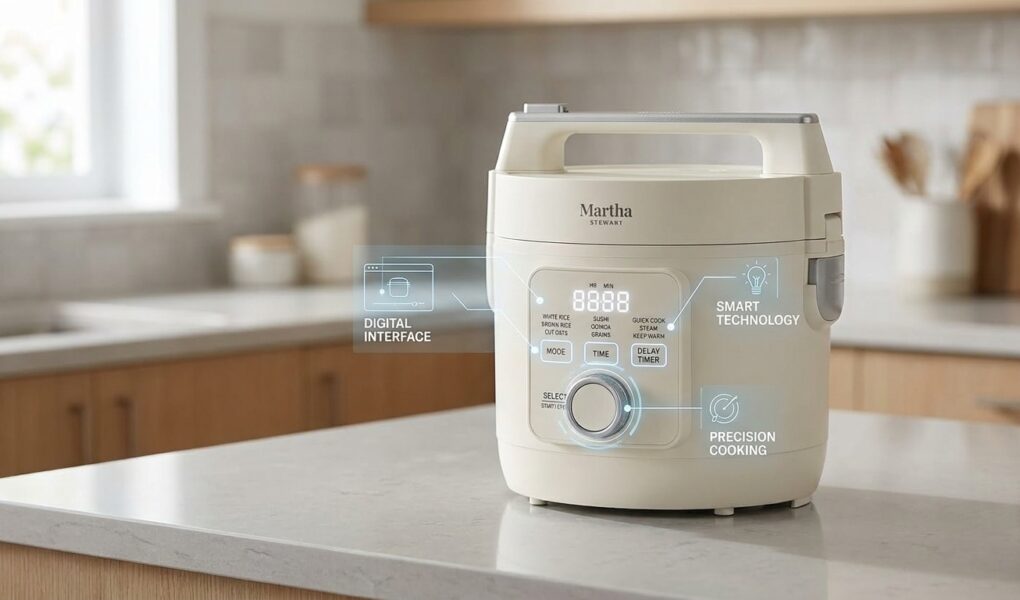
The Martha Stewart 4-cup rice cooker includes several features worth understanding individually, as each serves a practical purpose.
Capacity: 4 Cup Uncooked (8 Cup Cooked)
Capacity represents one of the most straightforward specifications, yet it’s worth clarifying what these numbers mean. The 4-cup measurement refers to uncooked rice volume, while the 8-cup figure indicates the approximate volume of cooked rice the machine can handle.
For context, 1 cup of uncooked rice typically yields approximately 2 to 2.5 cups of cooked rice, depending on the variety and how much water was absorbed. This model’s 4-cup uncooked capacity makes it reasonably sized for most household scenarios. It’s substantial enough to cook for multiple people or to prepare leftovers for the following day, yet compact enough to fit comfortably on an average kitchen counter without dominating the space.
A 4-cup capacity works well for families of 3-4 people preparing a single meal, or for smaller households that prefer cooking once and enjoying portions throughout the week. It’s also useful for individuals who like having rice available for quick meal assembly.
Ceramic Non-Stick Removable Pot
The cooking vessel itself warrants attention because it directly affects both the cooking process and the cleanup experience.
Ceramic non-stick coatings have gained popularity in recent years as a response to health and environmental concerns about traditional non-stick materials. Ceramic coatings are mineral-based rather than petroleum-derived, and they function by creating a slick surface that prevents rice from adhering.
The removable pot design offers practical advantages. You can take the pot out after cooking to serve directly from it, which is convenient for family-style meals. The removability also makes washing simpler—it’s easier to hand-wash a removable pot than to reach into the base unit. For those who prefer dishwasher use, having a removable pot means the electrical components stay completely dry.
One consideration with ceramic coatings is durability. While generally quite robust, ceramic non-stick surfaces can be damaged by abrasive scrubbing or metal utensils. Using wooden or silicone utensils and gentle cleaning methods helps preserve the coating’s lifespan. Some users report that ceramic non-stick surfaces work optimally for several years before showing gradual degradation, which is normal wear.
Keep Warm Function
The keep warm mode is a practical feature that addresses a common cooking challenge: what happens after the rice is done but your meal isn’t ready to serve?
Without a warming function, rice begins to dry out or, conversely, can continue cooking and become overly soft once the water is absorbed. A keep warm setting maintains temperature at a level sufficient to keep the rice palatable without allowing continued cooking. This is particularly useful for households where people eat at different times or where rice is prepared before other components of a meal are ready.
The thermostatic mechanism that enables this function typically operates around 140-160 degrees Fahrenheit—warm enough to prevent bacterial growth but not so hot that it damages the rice texture. Most modern rice cookers, including this model, automatically shift to keep warm mode once their moisture sensor detects that cooking is complete.
Interior Measure Markings
The inside of the pot includes measurement lines indicating volume levels for water. This feature streamlines the cooking process considerably.
Rather than measuring rice and water separately and then adding them to the pot, you can add rice until it reaches a certain line, then add water to the corresponding line. This approach works because the relationship between rice volume and required water volume remains consistent. Different rice varieties require slightly different water-to-rice ratios, and the markings typically account for this variability with multiple sets of lines—one for white rice, another for brown rice, and sometimes additional markings for other grains.
The convenience factor here is substantial, particularly for regular users who cook rice multiple times per week. What might seem like a minor feature actually streamlines dozens of small cooking sessions over the course of a year.
Steam Basket Inclusion
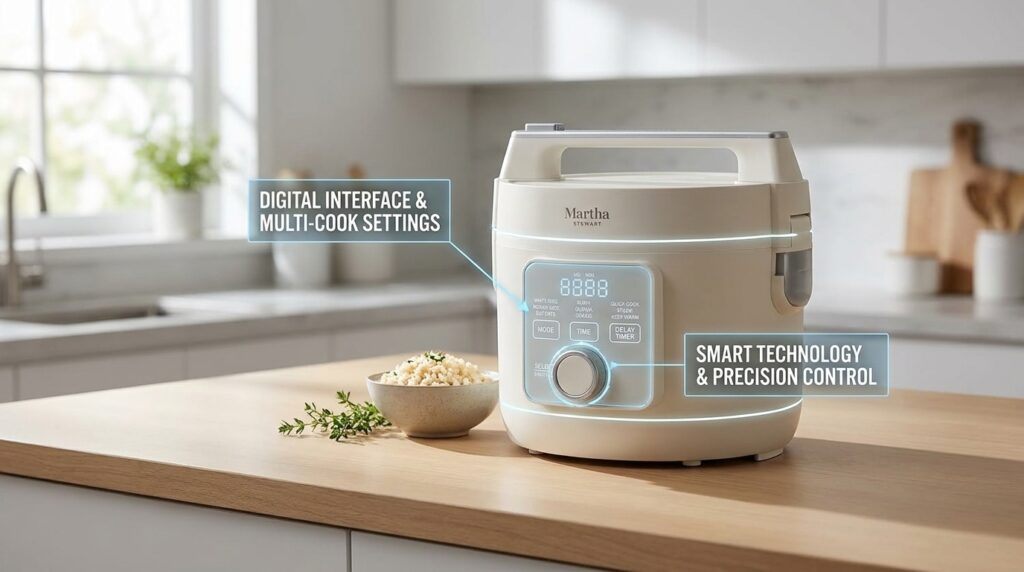
A steam basket opens up functionality beyond rice cooking. This removable insert sits above the rice level inside the pot and creates space for steaming vegetables, dumplings, or other foods while the rice cooks simultaneously.
This multitasking capability transforms the rice cooker from a single-function device into something closer to a cooking station. You can have rice and steamed vegetables ready at the same time without using additional burners. For small kitchens or shared cooking spaces, this versatility becomes genuinely valuable.
The basket’s design typically allows steam to pass upward around it while keeping foods separated from direct contact with boiling water. This setup works reasonably well, though results depend partly on how much steam is generated during cooking and how foods are arranged within the basket.
Handling Different Rice Varieties
The specification that this model handles brown rice, sushi rice, white rice, quinoa, grains, and oats represents a broader range of functionality than some simpler models offer.
Different grains have different cooking requirements. Brown rice, for instance, requires more water and longer cooking time than white rice because its bran layer makes it harder to cook through. Sushi rice benefits from gentle cooking that maintains distinct grains rather than creating a mushy texture. Quinoa requires different water ratios and different heating profiles compared to rice. Oats cooked as a grain (rather than as traditional oatmeal) develop a different texture.
A rice cooker designed to handle these varieties needs either manual settings or an intelligent system that can adjust cooking parameters. The capability to cook multiple grain types makes the appliance useful for households with varied dietary patterns or dietary restrictions. Someone exploring quinoa, someone else in the household who prefers brown rice, and another person who enjoys traditional white rice can all use the same device with appropriate settings.
Quick Cook Setting
The quick cook option addresses a reality of modern life: sometimes you need rice ready faster than the standard cooking cycle allows.
Standard rice cooking typically takes 25-40 minutes depending on the rice variety and the specific appliance. A quick cook setting can reduce this to perhaps 15-25 minutes by increasing heat and carefully managing the cooking process. The tradeoff is typically some reduction in texture optimization—the rice might not achieve quite the same fluffy quality as slower-cooked rice—but for situations where speed matters, this represents a reasonable compromise.
Color: Linen Cream
The aesthetics of kitchen appliances might seem trivial, but they actually matter to how often devices get used and how much enjoyment they provide. An appliance you find visually appealing and that coordinates with your kitchen design gets used more regularly than one that bothers you aesthetically.
The linen cream color described represents a neutral, warm tone that works with various kitchen design schemes. It’s neither sterile white nor trendy glossy black. This kind of neutral tone tends to remain visually acceptable across years and design trends, making it less likely to feel dated in three years.
How This Rice Cooker Fits Into Meal Preparation
Understanding a device’s technical specifications tells you what it can do in theory. Looking at practical applications tells you what it actually does in your daily life.
Preparing Rice as a Meal Base
The most straightforward use case is using the rice cooker to prepare rice as a base for other dishes. This might mean brown rice for grain bowls, white rice for stir-fries, or jasmine rice for Southeast Asian dishes. The 4-cup capacity means you’re cooking enough to serve multiple people or to have leftovers.
Prepared rice stored in the refrigerator stays fresh for 3-4 days and can be quickly reheated for additional meals. Many people use their rice cooker several times per week to maintain a supply of cooked rice available for meal assembly.
Quick Grains and Ancient Grains
Beyond rice, the appliance handles quinoa and other grains. Quinoa in particular has gained dietary prominence in recent years. It’s higher in protein than rice, contains all nine essential amino acids, and appeals to people following vegetarian, vegan, or flexitarian diets. However, quinoa’s cooking requirements differ from rice—it needs careful water management and specific cooking times.
Having a rice cooker that handles quinoa means you can prepare it without constant monitoring or the risk of mushy results. Similarly, cooking other grains like farro, barley, or millet becomes more reliable when using an appliance designed for grain cookery.
One-Pot Meal Components
The inclusion of a steam basket enables preparing rice and accompanying components simultaneously. Imagine setting the cooker to cook rice while simultaneously steaming broccoli, carrots, and chicken thighs above it. When the cooker finishes, you have two meal components ready—accomplished with minimal active cooking time.
This capability appeals particularly to people following meal prep practices, busy professionals, or parents managing multiple meal preferences. The ability to prepare more with less active attention is genuinely useful in real-world scenarios.
Breakfast Grain Preparation
Several breakfast applications work well in this cooker. Steel-cut oats can be prepared overnight or in the morning, creating breakfast ready when you are. Quinoa can be cooked with milk and sweetener to create a grain-based breakfast bowl. Brown rice can be prepared as a base for savory breakfast grain bowls.
These applications appeal to people who prefer heartier breakfasts than traditional cereal or prefer having breakfast prepared in advance rather than rushing through meal preparation in the morning.
Who Might Find This Appliance Useful
Rice cookers aren’t universally necessary—plenty of competent cooks prepare rice on stovetops their entire lives. However, certain situations and preferences make them particularly valuable.
Regular Rice Consumers
Anyone who prepares rice multiple times per week likely experiences benefits from owning a rice cooker. Rather than the small daily decision of stovetop timing, the appliance simply handles it consistently. Over dozens of cooking sessions annually, this convenience accumulates into meaningful time savings.
People Managing Dietary Diversity
Households where different members follow different diets—one person preferring brown rice, another enjoying quinoa, another seeking quick-cook options—benefit from an appliance that handles this variety with appropriate settings. Rather than trying to cook different grains on the stovetop simultaneously, one appliance handles it.
Individuals with Limited Cooking Space
Apartment dwellers or people with minimal kitchen counter space might use a rice cooker more strategically than a single-family home owner. For small spaces, having one appliance handle multiple functions—cooking rice, warming rice, and steaming vegetables—provides more value than in larger kitchens where multiple appliances don’t create congestion.
Meal Prep Practitioners
People who prepare components on specific days for the week ahead often use rice cookers as part of their process. The appliance’s ability to produce consistent results and its keep warm function make it well-suited to batch cooking scenarios.
People Seeking Cooking Reliability
Some individuals find active stovetop cooking stressful or struggle to judge doneness timing. These people genuinely benefit from an appliance that removes timing guesswork. The consistency and reliability can make a positive difference in their cooking experience and willingness to prepare certain dishes.
Important Considerations Before Purchasing
No appliance is optimal for every situation. Several factors worth considering can help determine whether this particular model aligns with your actual needs and preferences.
Counter Space Reality
This rice cooker, like all countertop appliances, requires actual physical space. Before assuming you’ll use it regularly, assess whether you have appropriate space. Appliances stored in cabinets between uses get used less frequently than those sitting on the counter. If counter space is genuinely limited, an unused appliance becomes clutter rather than a tool.
Your Actual Cooking Patterns
Honestly evaluating your actual cooking habits is important. If you prepare rice once per month, the convenience of a rice cooker might not justify counter occupancy. If you prepare rice three times per week, it absolutely makes sense. Thinking about your genuine usage patterns—rather than aspirational patterns—produces better purchasing decisions.
Water Quality Consideration
Rice cookers depend on appropriate water chemistry just as stovetop cooking does. Hard water with high mineral content can create buildup inside the appliance over time. In areas with very hard water, more frequent cleaning and descaling might be necessary. Standard white vinegar cleaning every month or two prevents mineral accumulation.
Maintenance Expectations
The ceramic non-stick pot requires gentle care. Metal utensils can damage the coating. Abrasive scrubbing can scratch the surface. The appliance isn’t “no-maintenance,” though maintenance requirements are modest—hand washing with soft sponges, occasional vinegar descaling, and ensuring the exterior stays dry.
Limited Customization Options
Some sophisticated rice cookers offer temperature control, moisture sensors that can be adjusted, or programmable cooking cycles. This model includes standard functionality. If you’re someone who enjoys tweaking and customizing every variable of your cooking, more advanced models might appeal to you more.
Size Limitation
Four cups uncooked rice serves most household situations, but it’s worth considering whether capacity might sometimes feel limiting. Preparing rice for a large gathering or extended meal prep might require running the cooker multiple times.
How Rice Cookers Compare to Other Cooking Methods
Different cooking methods have different strengths and weaknesses. Understanding these tradeoffs helps clarify whether a rice cooker fits your lifestyle.
Compared to Stovetop Cooking
Stovetop cooking requires active attention—you need to monitor water level, adjust heat, and judge when cooking is complete. The upside is flexibility; you can adjust variables in real-time and develop intuitive understanding of the process. The downside is that it requires active presence and attention.
A rice cooker automates this process. You lose some flexibility but gain consistency and freedom to do other things. For most people, this is a favorable tradeoff.
Compared to Instant Pot or Pressure Cooker Cooking
Pressure cookers, including Instant Pots, can cook rice much faster than traditional methods—often in 3-8 minutes for white rice. They’re more versatile appliances that handle numerous cooking tasks beyond grains. However, they’re also more complex to operate and learn. A dedicated rice cooker is simpler—you have fewer decisions to make and fewer potential mistakes.
Compared to Microwave Cooking
Rice can be prepared in a microwave, though results can be inconsistent. Microwaves are available in almost every kitchen, which is convenient, but they’re not optimized for rice cooking. A rice cooker is purpose-built, producing more reliable results.
Practical Cooking Tips for Rice Cooker Use
Once you have an appliance like this, certain practices optimize results.
Rinsing Rice
Many cooks rinse rice before cooking, removing some surface starch. This practice, common in Asian cuisines, can result in less sticky, more distinct grains. The removable pot makes this easy—simply place the rice in the pot, run water over it, swirl gently, drain, and repeat until water runs relatively clear.
Water-to-Rice Ratios
While the measure markings handle basic ratios, understanding the principle helps you modify for personal preferences. A standard ratio is approximately 1 cup rice to 1.5-2 cups water, depending on rice type. Brown rice requires more water (closer to 2.5 cups per cup of rice). Adjusting water slightly less creates drier, more distinct grains; slightly more creates creamier results.
Letting Rice Rest
Allowing rice to rest in the appliance for a few minutes after cooking finishes, without opening the lid, creates slightly better texture. This brief resting period lets remaining moisture distribute evenly.
Flavor Building
The steam basket enables cooking rice with broth instead of plain water, or with aromatics like garlic, ginger, or herbs added to the cooking water. This technique builds flavor directly into the rice rather than adding seasonings after cooking.
Cleaning Timing
Cleaning the pot shortly after cooking, while some residual warmth remains, is easier than waiting until the pot cools completely. The pot soaks with hot water and mild dish soap for a few minutes, then cleans with minimal scrubbing.
Frequently Asked Questions
Can you cook pasta in this rice cooker?
Technically, some rice cookers can cook pasta, though it’s not ideal. Pasta requires more aggressive boiling and frequent stirring to prevent sticking. The gentle cooking action of a rice cooker isn’t optimized for pasta. It’s better to stick with a dedicated pasta pot or stockpot for pasta cooking.
How long does the ceramic non-stick coating last?
With proper care—soft utensils and gentle cleaning—ceramic non-stick coatings typically perform well for 2-3 years of regular use before showing degradation. Heavy daily use might reduce this timespan. Occasional use might extend it.
Can you use this for cooking steel-cut oats?
Yes, steel-cut oats can be cooked in this appliance. They require approximately three times their volume in water and 45 minutes to an hour. Some users cook them overnight with a timer to have them ready for breakfast.
Is the keep warm function safe for extended periods?
The keep warm temperature (around 140-160 degrees Fahrenheit) is above the temperature at which bacteria grows dangerous, so rice can safely sit on keep warm for several hours. However, texture gradually degrades—rice becomes drier over extended periods. It’s better for maintaining temperature for 1-2 hours than for maintaining rice quality overnight.
What vegetables work best in the steam basket?
Harder vegetables like broccoli, carrots, and cauliflower work well. Softer vegetables like zucchini or spinach can become overcooked. Timing matters—you want vegetables ready when rice is done, so choose vegetables with similar cooking times or add them partway through if the appliance allows.
How much counter space does this actually take?
A 4-cup rice cooker base is typically around 8-10 inches in diameter and 6-8 inches tall—roughly equivalent to a small toaster. It’s not enormous, but it’s not negligible either.
Can you cook grains like millet or farro?
Many users report success with alternative grains using appropriate water ratios. Start with ratios similar to brown rice and adjust based on results. Different grains respond differently, so some experimentation might be necessary.
Is the removable pot dishwasher safe?
This depends on the specific model and manufacturer specifications. Ceramic non-stick coatings are sometimes listed as hand-wash only because dishwashers can be harsh. Checking the manual or product specifications provides the definitive answer.
What about reheating rice in the cooker?
Yes, rice can be reheated by adding a small amount of water, placing it back in the cooker, and selecting the cook setting. The result is usually adequate, though texture isn’t quite as good as originally cooked rice.
Conclusion
A rice cooker represents a modest investment in a focused tool: preparing rice and certain other grains reliably, without active monitoring. The Martha Stewart 4-cup model offers standard features—a ceramic non-stick removable pot, consistent cooking for multiple grain types, a steam basket for versatility, and automatic keep warm functionality.
Whether this appliance actually improves your cooking life depends on your actual patterns and preferences. For someone preparing rice weekly or more frequently, the convenience is genuine. For occasional rice eaters, stovetop methods work perfectly adequately.
The value of any kitchen appliance ultimately derives from how frequently and genuinely you’ll use it. An appliance sitting unused in a cabinet provides no benefit, regardless of how well-designed it is. An appliance you use multiple times per week becomes genuinely integrated into your cooking process.
If your assessment of your own cooking patterns suggests regular rice preparation and you have available counter space, this model provides the basic, reliable functionality that home cooks typically need. If rice is occasional in your kitchen or counter space is precious, you’re better served by traditional stovetop methods.